
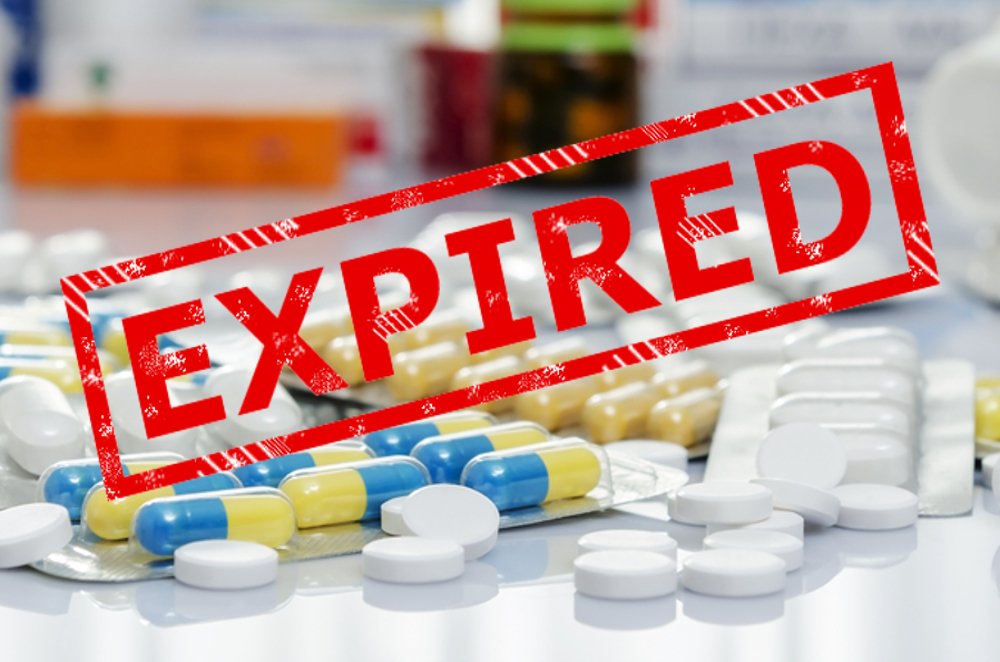
Have you ever received a customer complaint about near-expiry stock?
It happens more often than businesses realize, especially when sales and inventory teams don’t have real-time visibility into batch expiry.
Selling products with just 10 days of shelf life left doesn’t just risk returns or damage your brand image, it also results in lost trust, wasted stock, and blocked cash flow.
Here’s where most businesses go wrong:
- No expiry alerts are set in their system
- Manual tracking through Excel or registers
- Lack of batch-wise visibility in dispatch
- No FIFO/FEFO logic applied at the time of sales
These small gaps lead to big losses, especially in industries like pharma, cosmetics, food, and chemicals, where shelf life isn’t just a suggestion, it’s critical.
But the solution is simple. With the right ERP system, you can:
- Get auto-alerts on batches nearing expiry
- Prioritize short-shelf-life products during sales or dispatch
- Track batches across purchase, storage, and delivery
- Avoid writing off valuable stock just because no one flagged it in time
Bigger Picture: Future Trends
- According to a global supply chain study, up to 20% of stock losses in the FMCG and pharma sectors are due to poor expiry tracking.
- By 2027, over 70% of product-centric businesses are expected to adopt real-time inventory monitoring tools to prevent issues like expiry-related wastage.
- Many companies are starting to tie sustainability KPIs to inventory waste, and expired stock is one of the biggest contributors to that waste.
Why This Matters Now
Ignoring expiry tracking isn’t just a small inventory issue; it’s a sign of outdated processes that can quietly drain profits, damage trust, and slow down growth. As product life cycles shrink and compliance gets tighter, proactive expiry control is becoming a business essential, not an optional feature.
Whether you are managing pharma batches, cosmetic goods, packaged foods, or chemical supplies, the message is clear:
- Know what’s moving.
- Know what’s about to expire.
- Act before it becomes a loss.
The businesses that master this today will be better prepared for tomorrow, with cleaner data, faster decisions, and zero expiry-related surprises.
Conclusion:
In today’s fast-moving supply chains, expiry control isn’t optional; it’s essential. The sooner you act, the more you save in stock, time, and trust.

A WordPress Commenter
November 24, 2025Hi, this is a comment.
To get started with moderating, editing, and deleting comments, please visit the Comments screen in the dashboard.
Commenter avatars come from Gravatar.