
5 Signs Your Manufacturing Business Needs an ERP
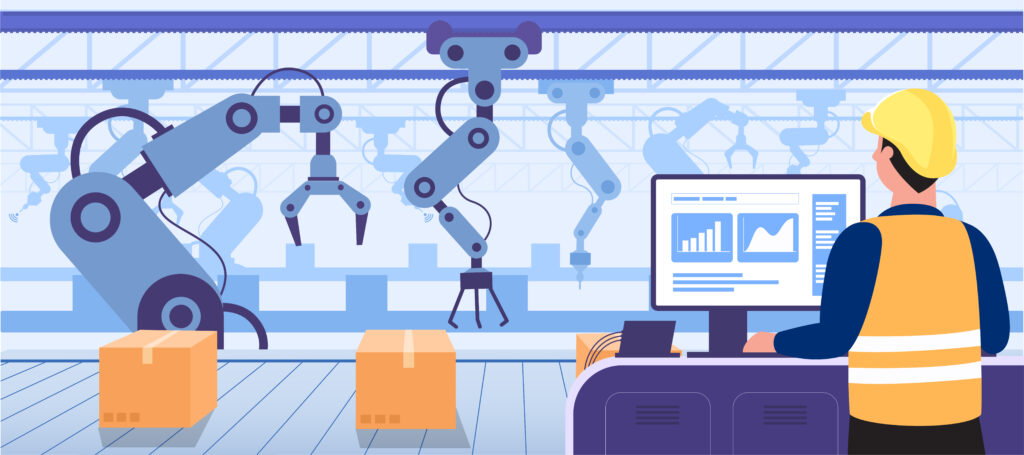
In today’s rapidly evolving industrial world, manufacturing businesses are under more pressure than ever from rising costs and supply chain disruptions, to the push for digitization and real-time visibility.
If you’re still managing operations through spreadsheets, disconnected software, or paper-based processes, you’re not just falling behind, you’re risking operational inefficiency, missed opportunities, and revenue loss.
So, how do you know when it’s time to upgrade?
Here are 5 critical signs that your manufacturing business needs an ERP system, along with a real-world example and future-looking trends to help guide your decision.
Inventory Mismatches and Stock Issues
If you’re regularly running into stockouts or overstocking, it signals a lack of real-time visibility.
Future stat: Report from Gartner shows that 72% of manufacturers say inventory inaccuracies cause production delays and customer dissatisfaction.
An ERP system provides live inventory tracking, automated reorder alerts, and smarter demand forecasting to prevent these costly errors.
2. Frequent Production Delays
Unclear schedules, missing raw materials, or inefficient shop floor communication? These delays could be costing you customers.
ERP software aligns production planning with material availability, labor, and maintenance schedules, keeping your factory moving efficiently.
Toyota Motor Corporation lean manufacturing system is powered by integrated ERP tools that sync global production in real time.
3. Poor Quality Control and Compliance Challenges
Whether you’re in food, pharma, or automotive, compliance and quality checks are non-negotiable.
Modern ERP systems include:
- Automated QC workflows
- Batch tracking
- Regulatory reporting
Future stat: By 2026, 3 out of 4 manufacturers in regulated industries will implement ERP systems to handle compliance (IDC Manufacturing Insights).
4. Lack of Cost Visibility
If you can’t answer, what does this product cost us to make? It’s time for better data.
ERP gives real-time insight into:
- Material costs
- Labor tracking
- Overhead allocation
- Scrap and yield metrics
5. Too Many Disconnected Tools
If your departments use different tools (Excel for inventory, QuickBooks for finance, paper for the shop floor), you’re creating bottlenecks.
ERP consolidates all functions from sales to production into a single platform, ensuring faster decisions, fewer errors, and real-time data sharing.
The Future Is Digital Are You?
The global ERP market for manufacturing is expected to reach $40 billion by 2027, driven by AI integration, IoT connectivity, and cloud-based flexibility.
Early adopters are already gaining an edge. Don’t let outdated systems limit your growth potential.
Conclusion
Upgrading to a Manufacturing ERP isn’t just a tech upgrade; it’s a strategic investment in productivity, compliance, and long-term competitiveness.
Questions You Should Be Asking Yourself:
Do I have real-time visibility into production, inventory, and costs?
If our order volume doubled, could we scale without chaos?
Lean Manufacturing 2.0: Doing More with Less, Smarter
The idea of lean manufacturing isn’t new; it’s been the backbone of efficient production since Toyota revolutionized the industry with the Toyota Production System (TPS) in the 1950s. But today, as industries move toward connected, data-driven ecosystems, lean principles are being reimagined. Welcome to Lean Manufacturing 2.0, where efficiency meets intelligence.
The Shift from “Eliminate Waste” to “Optimize Intelligence”
Traditional lean focuses on reducing waste: excess motion, waiting time, overproduction, and rework. Lean 2.0 takes this further by embedding digital intelligence into every process. Instead of reacting to inefficiencies, manufacturers now predict and prevent them.
Technologies like IoT sensors, AI-based analytics, and ERP-integrated shop floor systems provide real-time visibility into production metrics, energy use, and resource efficiency, allowing teams to make precise, data-backed decisions.
How Leading Companies are Adapting
- Toyota Motor Corporation continues to evolve its lean principles through digital twins and smart robotics, integrating human expertise with automation to sustain quality and agility.
- Siemens uses advanced analytics to optimize assembly line configurations, reducing cycle times by up to 30% in key facilities.
- Unilever has implemented digital lean practices across its factories, leading to 15–20% reductions in energy use and measurable improvements in sustainability metrics.
- Mahindra and Mahindra Limited [Automotive and Farm Equipment Business] India has adopted IoT-based production monitoring to minimize idle time and boost machine utilization.
These aren’t just incremental upgrades; they’re redefining how lean looks in a connected era.
The Numbers Behind Lean 2.0
- Smart factories leveraging lean automation have achieved an average 12% gain in productivity.
- Predictive maintenance driven by AI has reduced unplanned downtime by up to 50%.
- Manufacturers expect a $2 trillion productivity boost globally by 2030 through digital lean practices.
These figures underline a clear message: the future of efficiency is intelligent, not just optimized.
The Road Ahead
Lean Manufacturing 2.0 is not about replacing human expertise; it’s about augmenting it with data, automation, and cross-department visibility. The future factory will be adaptive, sustainable, and data-driven, with every decision tied to measurable impact.
The companies that succeed won’t just “do more with less.” They’ll do better with smarter systems.
